History of Audubon Canyon Ranch

The History of Audubon Canyon Ranch

Martin Griffin Preserve | Bouverie Preserve | Cypress Grove Research Center | Modini Ingalls Ecological Preserve | Mayacamas Mountains Sanctuary

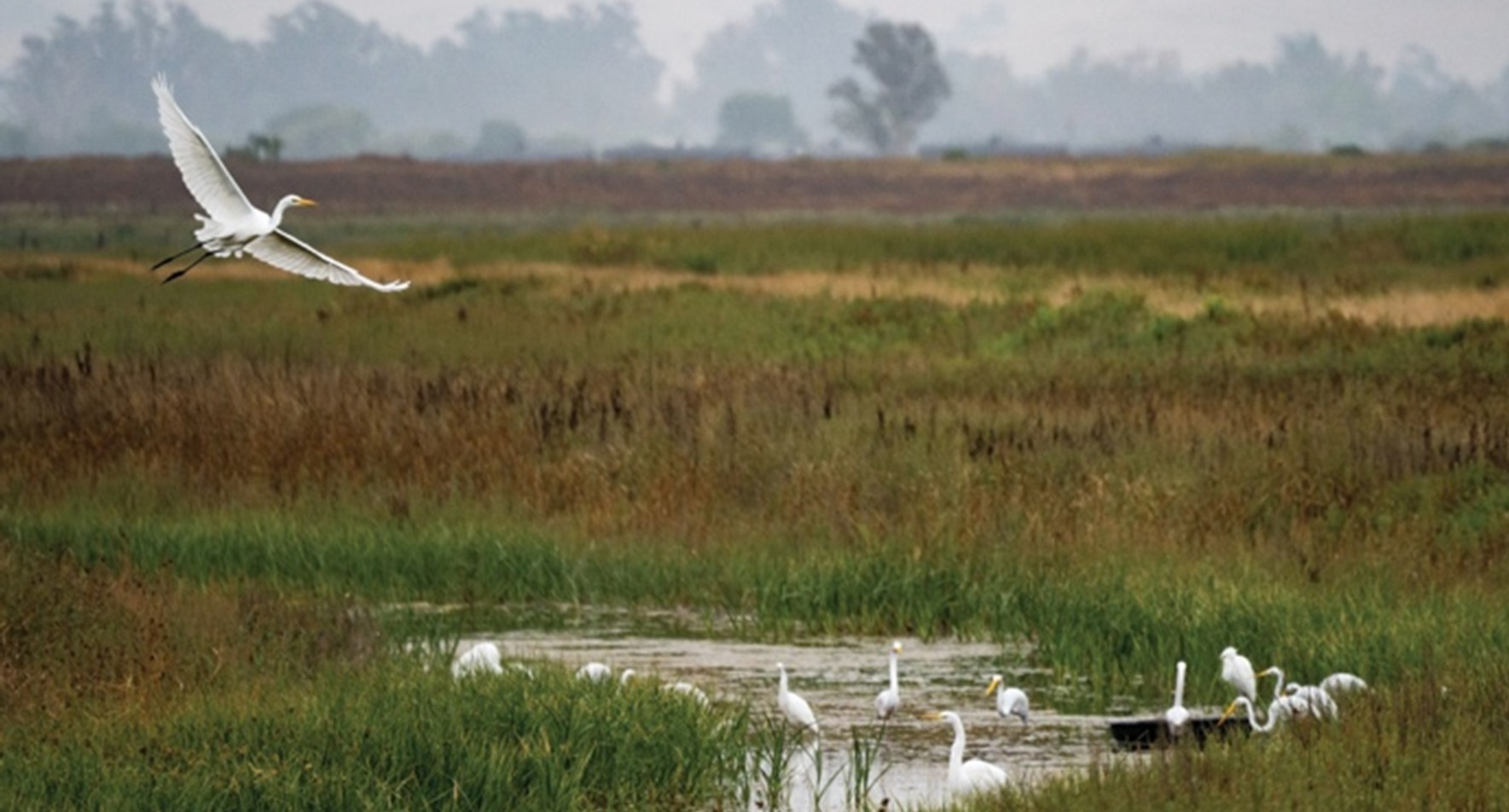
Audubon Canyon Ranch was founded in 1962 to save one of the largest heronries on the West Coast and to prevent intensive commercial development in the pristine area surrounding the colony.

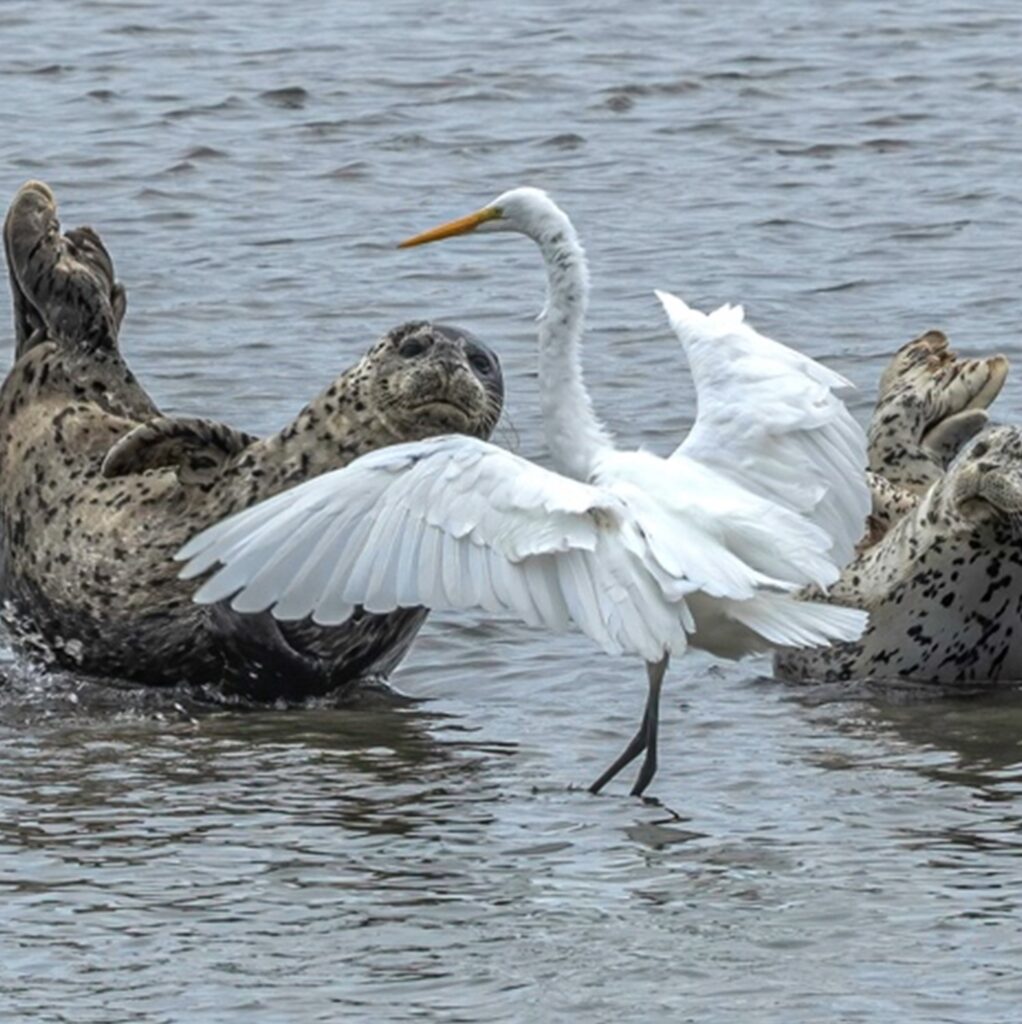
Great Blue Herons and Great Egrets are the largest of California's wading birds, with up to six-foot wingspans. Years ago, there were dozens of colonies of egrets nesting in the tops of trees around San Francisco Bay. They gradually disappeared as trees were cut down and their tideland feeding grounds were filled.

Despite logging of old growth redwood during the period following the California Gold Rush, the heronry along Bolinas Lagoon in Marin County existed in 1960 in relative isolation. Bolinas Lagoon is a small saltwater estuary and is a wintering and feeding ground for these birds. In 1961, the federal government had no plans to preserve this unspoiled estuary, nor its "sister" to the north -- Tomales Bay. 

Saving today's Martin Griffin Preserve
At that time, Marin's political climate was pro-growth. The 503-acre dairy ranch, which is now part of ACR's 1,000-acre Martin Griffin Preserve, was already being subdivided for development. The redwood grove where herons and egrets nest was to be logged. The lagoon where they feed was to be dredged and developed as a marina, and a 4-lane freeway was to be built between the nesting site and feeding ground.

As president of the Marin Audubon Society, Dr. Martin Griffin, Jr., met with the owner of the property known as "Canyon Ranch" which included the nesting grove of redwood trees. Marin Audubon Society's objective was to investigate purchasing the property. With the help of many dedicated individuals and the other local Audubon Society chapters, an amazing fundraising campaign was waged to successfully complete the purchase. Audubon Canyon Ranch was created as an independent, non-profit organization. Though the word "Audubon" is in the organization's title, ACR is not a chapter of the National Audubon Society.

Protecting the birds' feeding ground from dredging and development was also important for the survival of the nesting colony. Therefore, Audubon Canyon Ranch was instrumental in protecting Kent Island and the Bolinas Lagoon from proposed commercial development.

In the early days of the organization, protecting the beautiful areas of West Marin from development had been a primary interest. Subsequently, Audubon Canyon Ranch began acquiring lands along Tomales Bay in addition to its 1,000 acres adjacent to Bolinas Lagoon.

The Bouverie Preserve
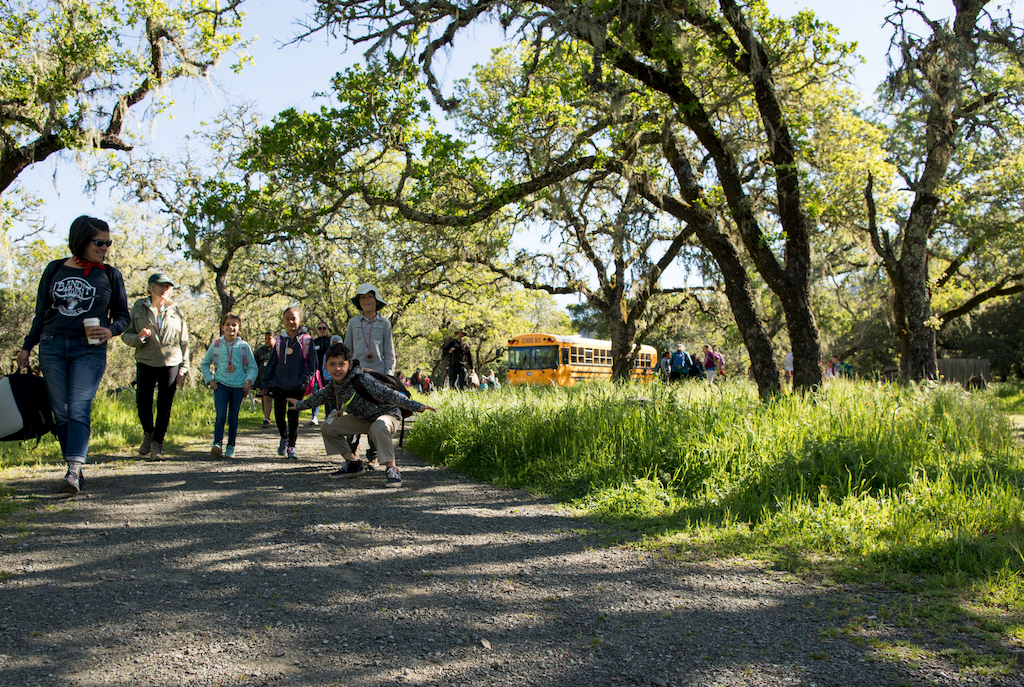
In 1979, David Bouverie donated a large land holding, which would become the 570 acres of unspoiled wildlands now known as the Bouverie Preserve in Sonoma County's Valley of the Moon. David Bouverie was enthusiastic about Audubon Canyon Ranch's education programs and wanted his lands to be used to educate and inspire children to appreciate nature. An education program reflecting that vision is conducted at Bouverie Preserve. The general public is welcome to visit Bouverie Preserve, known for its wildflowers, oak woodlands and creek canyon, through walks and seminars scheduled on selected Saturdays throughout the year.

The Cypress Grove Research Center
In 1971, Clifford Conly promised to give his beloved Cypress Grove to Audubon Canyon Ranch. He was impressed by ACR's efforts to protect important tidelands along Tomales Bay. In 1992, Mr. Conly completed his gift and Cypress Grove Research Center became a headquarters for Audubon Canyon Ranch's conservation science and habitat protection programs.

The Modini Ingalls Ecological Preserve
In April 2009, Audubon Canyon Ranch announced a collaborative agreement with ranchers Jim and Shirley Modini to acquire the 1,725-acre Modini Ranch through a planned giving arrangement. 

The Modini Ranch is located in Sonoma County’s Mayacamas Mountains near Healdsburg. ACR is conducting conservation-based scientific research and identifying habitat protection opportunities, in keeping with ACR’s mission to preserve the land as a sanctuary for native plants and animals. ACR is honored the Modinis have entrusted us to protect this special part of California’s natural heritage. 

For more information about the rich history of the Modini Ingalls Ecological Preserve and adjacent Mayacamas Mountains Santuary as retold by ACR Volunteer Dennis Fujita, click here (pdf). 

The Mayacamas Mountains Sanctuary
In May 2012, ACR announced that it had acquired the 1,620-acre Mayacamas Mountains Audubon Sanctuary in northern Sonoma and Lake counties from the National Audubon Society and Audubon California.

The Sanctuary--located above the Alexander Valley near Healdsburg and part of 12,000 acres of habitat in the Mayacamas Mountains protected under conservation easements--provides important habitat for an abundance of native animals and plants and numerous unique and sensitive species. 

Combined with the Modini Ingalls Ecological Preserve, the Sanctuary enables ACR to permanently protect 3,370 acres of natural habitat in the Mayacamas Mountains for native wildlife and plant species to thrive.

ACR changed the name of the sanctuary to ACR's Mayacamas Mountains Sanctuary to reflect its new ownership.

The Next 50 Years
In January 2010, ACR hired its second executive director, J. Scott Feierabend, as long-time executive director Skip Schwartz transitioned to a part-time role with ACR. Built on a history of commitment to land preservation and the community that makes it happen, ACR is well positioned to move forward in advancing the organization's mission with confidence and enthusiasm into the next 50 years...and beyond. 

AttachmentSize
Early Travelers Through MIEP by Dennis Fujita1.79 MB